




How Your Sofa and Bed Can Improve Sleep Quality
Sleep plays a vital role in our overall health and wellbeing, giving both the body and mind time to rest, recover and reset. However, achieving deep, uninterrupted sleep is not always easy. Around 30% of people experience regular sleep disturbances, with many struggling to maintain consistent, high-quality rest.
Poor sleep can affect mood, memory and concentration in the short term. Over time, ongoing sleep deprivation has been linked to more serious health concerns, including heart disease, high blood pressure and weight gain. Creating the right sleep environment at home is one of the most effective ways to improve both the quality and consistency of your rest.
The Link Between Comfort and Better Sleep
Your surroundings play a bigger role in sleep than many people realise. From the moment you begin to unwind in the evening, comfort matters. A well-made, supportive sofa allows you to properly relax at the end of the day, helping your body transition into a restful state before bed.
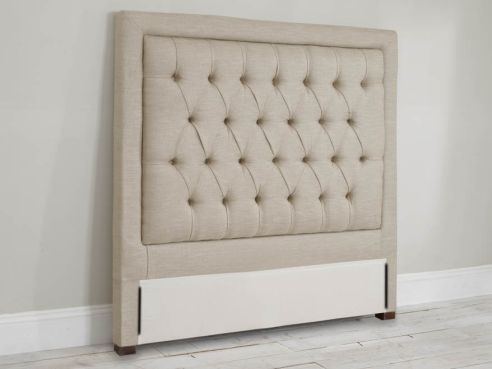
When it comes to sleeping, choosing the right bed is essential. A supportive, well-crafted bed with enough space to move freely can significantly improve sleep quality. The right combination of mattress support and overall comfort helps reduce disruption throughout the night, allowing for deeper, more restorative sleep.
Creating the Ideal Sleep Environment
A calm and comfortable bedroom environment is key to better sleep. Light, noise and temperature all have a direct impact on how easily you fall asleep and how well you stay asleep.
The body naturally produces melatonin, the hormone responsible for sleep, in response to darkness. Reducing exposure to artificial light in the evening, especially from screens, can help support a healthier sleep cycle. During the day, getting natural light is equally important, helping to regulate your body clock.
Minimising noise is another important factor. If outside sounds are unavoidable, soft background noise can help mask disruption. Temperature also plays a role, with slightly cooler rooms often creating the most comfortable sleeping conditions.
Daily Habits That Support Better Sleep
Improving sleep is not just about your bed, it is also about your routine. Going to bed and waking up at the same time each day helps regulate your internal body clock. Staying active during the day, even through light movement, can make it easier to fall asleep at night.
Diet also has an impact. Large meals, caffeine and alcohol late in the evening can all interfere with sleep quality. If you need a snack before bed, something light is usually the best option. Nicotine can also disrupt sleep patterns, particularly overnight.
Small Changes, Lasting Improvements
Better sleep often comes down to consistency. Creating a home environment that supports relaxation, from a comfortable sofa to a supportive bed, can make a meaningful difference to your overall wellbeing.
Investing in quality, handcrafted furniture is not just about style, it is about how your home makes you feel every day. When your space is designed for comfort, switching off at the end of the day becomes easier, and restful sleep follows more naturally.
If sleep problems continue, the NHS offers helpful advice, and your GP can provide further support.